Back pain is common worldwide, affecting most people at some time during their life. There are many causes, the most common is a sprain or strain.
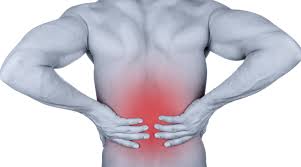 The following 10 tips will help you keep your back strong and minimize the risk of future injury both at work and at home.
(1) Exercise – Being active is the best way to prevent a back strain. Walking and swimming are good ‘low impact’ exercises with minimal risk of injury. Exercises to strengthen your ‘core’ muscles in the abdomen, pelvis and back are particularly important. If you are starting an exercise program, be realistic about your level of fitness, start slowly, and gradually increase your strength and endurance over time.
(2) Stretching keeps the back flexible while decreasing muscle tension or knots, and helps prevent injuries, especially pulled or strained muscles. Yoga or Pilates are great for both flexibility and strength.
(3) Maintain a healthy weight – Being overweight adds a strain on the back – like carrying a heavy weight. If you are overweight, losing weight will decrease your risks of injury.
(4) Be careful when lifting – Think before you lift. It is important to bend your knees and use your legs rather than your back to lift, to keep the item close to your body and to avoid reaching, twisting or sudden movements. Ask for help if you have any doubt as to whether you can lift the item safely.
(5) Posture – Sit up in your chair or when driving – slouching can cause back pain. Keep your back straight when standing with your weight spread equally on both feet. Take short breaks or change your position and stretch if you have been sitting for over an hour.
(6) Hazards – Slips, trips, and falls are common causes of back strains – watch out for slippery floors, tripping hazards, or uneven surfaces
(7) Shoes – high heels add strain to the low back, and can be hazardous on some surfaces. Make sure you have soles that can grip well if you are walking on wet or slippery surfaces. A cushioned insole helps decrease the impact when walking on hard surfaces.
(8) A good bed – Your shoulders and hips need to be supported to keep your spine straight. If you wake up with back stiffness – check that your mattress is firm enough.
(9) Nutrition – Healthy bones need calcium. Vitamin D helps us absorb the calcium in our diets. The body can make Vitamin D with a little exposure to sunlight, and several foods have added Vitamin D and calcium.
(10) Smoking decreases the circulation to the muscles, spine, and the disks cushioning the spine. As a result smoking increases the risk of injury and delays the healing process after an injury. Quitting smoking is not easy, however there are resources to help, either on-line or through company sponsored programs.
If you strain your back, some anti-inflammatory pain relief like ibuprofen is often recommended. Try and keep moving so that the stiffness does not worsen – staying in bed is not recommended. If you have difficulty passing urine, or have numbness or weakness, you should see your family doctor. Most back pain will resolve fully within four weeks without any medical intervention, but talk to your doctor if your symptoms are severe or are not improving after a few days.